
Blog Posts

Tips for Selling Your House for Older Adults-image

It’s not just a house. It’s your home. A treasure trove of memories that charts your family’s history. But the keyword here is history. As daunting as radical change appears from your favorite chair, it’s become clear that a house so appropriate for a past lifestyle is impeding your goal of moving forward to embrace the present —and future. Once you shed the burden of unused rooms and piles of maintenance bills to find a living space that is in all respects just right, you’ll wonder why you waited so long. The first step in your journey to celebrate active adulthood is to prepare your house—and yourself—for the sale. Here are a few home selling tips that consider both the physical and emotional task ahead of you.   Clear Out the Clutter Remember, buyers are interested in seeing your house, not your stuff. Limiting personal décor best showcases the living space and helps potential buyers envision their own possessions. If this is your first round of rightsizing, you will have a lifetime of accumulation to sort through. Keep in mind, it was not accrued in a day. So, create a reasonable timeline that doesn’t make you feel anxious or rushed. Don’t ignore your exteriors. Your home doesn’t get a second chance to make a first impression. A pristine exterior will make buyers eager to see what’s inside. Send Out an SOS Staging a house for sale is quite an undertaking at any age. For active adults, it is a task that presents unique challenges and must be approached with care. Your spirit may be more enthusiastic than your back, so be sure to enlist helpers for any heavy lifting or carrying. Get the kids and grandkids involved, if they are available, and you can transform a grueling job into some quality family time. Pace Yourself Stick to a schedule that doesn’t leave you completely depleted by the end of the day. Try not to work for more than a six-hour shift. Take plenty of breaks, keep snacks handy and stay hydrated. You want to conserve that energy for all the activities awaiting at your new 55+ active adult community! Lighten the Mood If ever there was a task impacted by attitude, this would be it. A positive upbeat approach will make the hours far more pleasant. As you sort through pictures and recall special experiences, you’ll want to take a moment to relish the memories. This can be a time of storytelling, laughter and family connection. Put on some of your favorite music and enjoy the stroll down memory lane. It’s a great time to give the kids and grandkids any items they may find meaningful. Repair and Refresh Preparing your house for sale means paying attention to those odd jobs you’ve managed to avoid for decades. A fresh coat of paint can be helpful as well. Buyers want to feel the property has a cared for look. That said, this is not the time for you to be climbing ladders and heading up to the roof. Find a reputable handyman to get everything back into working order. The last thing you need is to go through the moving process with an easily avoidable injury. Work Out the Numbers This is a great time to consult a financial advisor who can give you a clear picture of what the sale process looks like financially. Your expert will help you  balance numbers to plot a course going forward that makes sense for both you and your finances. Yes, preparing to move is a major undertaking. But, there is a very bright light at the end of the tunnel. Once you and your buyers have signed on the dotted line, you’ll be free to enjoy the next level of active adulthood at the  55+ community of your choice.  You’ve already missed today’s fun. Don’t miss tomorrow’s!

Read more
The Pros and Cons of Early Retirement-image

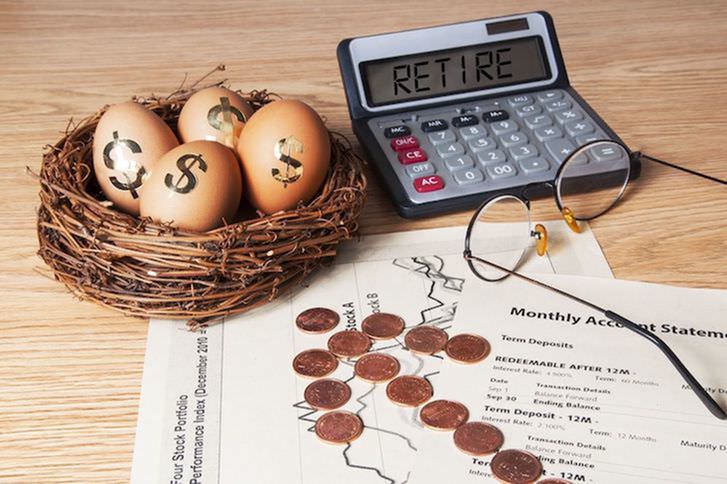
For many of us, it’s taken a decade of righting the ship to regain our financial footing, but, finally, that word is back on the table: Retirement. It’s what we’ve worked for, dreamt of and aspired to since, well… since we started working. Today retirement age is whatever works emotionally, physically and of course, financially. If you’re staring 55+ in the face and  retirement is starting to look appealing, ask yourself these questions: Have you historically lived within your means? Can you resist the temptation to make large, impulsive purchases? Do you have a stress-tested financial plan created by a certified financial planner? Other than Social Security, do you have some form of certain, steady income such as a pension or annuity that will cover basic living expenses? Do you have a plan to scale back income gradually with a part-time endeavor or is this an all or nothing proposition? Either way, do the numbers work?  If your answers are yes, and contemplating early retirement is an option for you, take a moment to consider the pros and cons of retiring at 55. PRO Follow Your Passion There is no time like the present to reinvent yourself and find the bliss that may have eluded you in your long-term career. More and more retirees are broadening their horizons, learning new skills and taking their professional lives in a whole new direction. This time around the goal is enrichment and accomplishment. While the extra income is helpful it is not the main attraction. Rekindle the Family Flame If your stars align for early retirement, all signs indicate you’ve devoted most of your energy over the years to your work, losing precious time with your spouse and the kids. Early retirement is an opportunity to reconnect with the family and play a more active role in parenting. It’s a chance to stop and smell the roses with a spouse and focus on romance instead of finance. Check Off the Bucket List One main advantage of early retirement is the opportunity to pursue activities and adventures that may become impractical. if not impossible, the more you age. Rock climbing, hiking, whitewater rafting, exotic biking trips and other experiential travel require the agility and stamina we are more likely to have at 55 than 75. CON  Too Early for Medicare Retirement at 55 leaves you with a ten-year gap in coverage before Medicare kicks in. Few employers are providing post-retirement health care plans, and prohibitive costs of coverage make the benefits defined by the Affordable Care Act limited in scope. In short, if you have no health insurance, and a serious issue arises, your financial future is at risk. Finding medical insurance will take a bite out of your budget, but it will be a necessary expenditure. Taking Your Money Will Cost You Accessing tax-sheltered accounts early comes with penalties. Be sure to be fully aware of the costs associated with withdrawing money from your 401K, IRA, or ROTH IRA before making your decision to tap that resource. Earlier is Less If you begin receiving Social Security before the age of 67, you will receive less in monthly payments and may ultimately forgo as much as 30% of the benefits owed you. Employer paid, and private pension funds typically come with an early withdrawal reduction in benefits as well. Do your homework to make sure your lifestyle can withstand the pay cut. In this case, less is definitely not more. If early retirement is on your horizon, one of the best ways to maximize financial health is rightsizing. Selling a home that has outlived its purpose, will not only add to your financial comfort, it will also give you an opportunity to find a community of folks in your similar situation with whom you can share this new and exciting chapter of your life. There is no life change more major than retirement. Before you take the plunge, consult a financial expert to make sure that your numbers add up to a fabulous future.

Read more
The Benefits of living in a 55+ community-image

You are no longer tripping over the kid’s toys. There are no more soccer practices to run to. Work is winding down or already in the rearview mirror. All the food in the fridge is yours. Your online searches are all about travel and adventure. Hellooo? Clearly, the universe is trying to tell you something. The message: It’s time to begin the new and exciting next chapter of your life! And so, the question. Sell your home that no longer serves your purposes and go where exactly? For those who have already taken the plunge, it’s a no-brainer. The only logical choice for rightsizing at this stage is a 55 & over community. Specifically designed to support and enhance the active adult lifestyle , 55 & over communities are focused on maximizing all aspects of your health and wellbeing. The Benefits of an Active Adult Community  Living Spaces Designed with You in Mind Whether it’s an apartment, townhome or single dwelling, the living spaces in 55+ communities are designed to be architecturally correct for active adults. Design details that consider long-term comfort and safety make life for residents easy and worry-free. A Busy and Active Social Life Isolation is the single biggest cause of depression in older people. When the kids have moved out and friends and neighbors are not as abundant as they once were, loneliness can become a serious issue. The best part of living in a 55+ community is the community. A built-in network of enthusiastic similarly aged friends and neighbors are steps away. In a warm and welcoming atmosphere, by the time you unpack the boxes, your neighbors have become close friends. Active adult communities offer full schedules of activities purposely designed to encourage relationships with others who share your passions and interests. You don’t have to be alone—unless you want to be. Safety in Numbers 55+ communities make your safety a priority. Many properties are gated. Whatever safety features are provided by the management are enhanced by members of the community looking out for each other. The spirit of comradery and community makes both residents and their families feel secure.   Resort Worthy Amenities Each  55+ community offers slightly different amenities, but no matter where you go, you won’t be disappointed. Expect full-service fitness centers, Olympic-sized pools, chef-worthy kitchens for classes and demonstrations, theaters, game rooms, and well-manicured outdoor spaces. It’s an entire lifestyle right outside your front door. Live and Learn 55+ communities take your fun very seriously. Daily schedules are packed with a wide variety of activities to enrich and enlighten. From fitness and cooking classes to crafts, organized local outings, and continuing education to broaden your horizons, the unending list of opportunities will keep you physically, socially and emotionally fit. Turnkey Living Not only will an active adult community get you out from under the piles of home maintenance bills and chores, you’ll also be able to pick up and go wherever, whenever you choose without having to worry about leaving your home unattended. Simply, lock the door and be on your way to whatever adventure beckons. It is low maintenance, turnkey living at its best. From unlimited social opportunities to state-of-the-art fitness facilities, to continuing education and special interest activities, the benefits of living in a  55+ community make it the perfect choice for your next act.    

Read more
Keeping Your Heart Healthy as You Age-image

  Did you know that adopting simple lifestyle changes can help prevent heart disease and help you have a healthy heart? According to the American Heart Association , walking at least 20 minutes a day can reduce the risk of heart attack and stroke. The older we get, the more vigilantly we must pursue a lifestyle that supports our heart health. Here are a few tips aimed at keeping your heart healthy and helping you make some easy lifestyle changes. It’s a Numbers Game Understanding your cholesterol and blood pressure levels as well as your body mass index is the first step toward establishing heart health goals. Talk with your doctor about your numbers to see where you currently stand. According to the experts, ideally you want: Total cholesterol less than 200 mg/dL HDL (good) cholesterol 50 mg/dL or higher LDL (bad) cholesterol less than 100 mg/dL Triglycerides 150 mg/dL Blood pressure less than 120/80 mm Hg Body Mass Index less than 25 kg/m2 Your Heart is What You Eat A heart-healthy diet packed with fruits, veggies, lean meats, fiber-rich whole grains, skinless chicken, fish rich in omega-3s and fat-free dairy products will help maintain heart health as it positively impacts your cholesterol and blood pressure levels. If this means completely changing the way you eat, consult a nutritionist for guidance. Keep It Moving If fitness has always been a priority, keep it that way. If not, there is no time like the present to start putting one foot in front of the other on a regular basis. The AHA recommends at least 150 minutes of physical activity per week. Before you embark on any new fitness regimen, consult your health care provider to help you develop an activity plan that considers any chronic conditions or limitations you may have. Personal trainers can also be an excellent resource. The idea is to create a routine that minimizes risks while maximizing rewards. Before you take that first step: Remember that anything is better than nothing. And if nothing is what you’ve been doing, be sure to begin at a low intensity and increase gradually. Don’t worry about attaining high levels of activity. Instead, focus on creating endurance by adding time to your moderate exercise program as you get stronger. The best way to take steps to keep your heart healthy is to actually take steps. No other exercise can be integrated into your day as safely and easily as a good walk. You will work those large muscles in a continuous manner while improving your cardiovascular system. Start slowly and work your way up to 30 minutes or more around the track, through the neighborhood or on the treadmill. Join a walking club and you will look forward to a regular social outing. Wherever you choose to walk, be sure it is a smooth surface in a safe place. If you walk in the evenings, avoid areas that are not well lit. Whichever exercise you choose, wear comfortable clothing that is appropriate to the temperature and  be s ure not to become overheated. Your exercise shoes are an important piece of athletic equipment that must fit properly and be up to the task. Warming up is an important part of any workout especially for older adults whose muscles need a little jump start to get ready to work. Gentle stretching before exercising can go a long way to preventing injury. If you are a swimmer , laps in the pool are just what the cardiologist ordered. It is one of the best aerobic exercises available. That said, any water activity can get the blood flowing and contribute to keeping your heart healthy. Take an age-appropriate exercise class that you really enjoy and dance, or yoga your way to heart health with your buddies. Celebrate your success at happy hour with the group later. It is never too late to make changes and adopt habits focused on keeping your heart healthy. The right information and a little discipline will go a long way toward supporting heart health and reducing your risk of becoming a statistic. If you go the extra mile for your heart, it will return the favor. **Feature image depicts actual Overture resident(s).

Read more
Active Adult Communities — What Are They?-image

  Bob Dylan or Frank Sinatra? Whether the wisdom of Dylan guided your formative years or Sinatra made you or your favorite lady weak in the knees as a teenager, the question of whether the joyous, carefree, stimulating lifestyle of the active adult living community was designed specifically for you is easily answered. When defining Active Adult Community living, it’s important to clarify that it is not assisted living. Independent Living communities typically provide daily dining and transportation as part of their monthly fees, while Assisted Living communities can provide other services such as medication management, assistance with daily living (bathing, dressing, eating), and emergency call systems.  For those who are independent and active, not in need of these additional services, but seeking a lifestyle that includes  unlimited opportunities for intellectual enlightenment, physical activity and social interaction with those 55 and over, Active Adult Living Communities offer the best of all 55+ worlds. More Than Just a Place to Live Active Adult Communities are committed to providing state of the art amenities and facilities in which to pursue resort worthy activities relevant to this exciting chapter of life. Residents can spend their days involved in an unending variety of on-site programs or exploring nearby cultural and culinary attractions, then return home to upscale luxury. But the surroundings and accouterments are only part of the story. Active Adult Living Communities are much more than a great rightsizing option. They are a lifestyle enhancing choice that promotes total health and wellbeing. Encouraged to embrace this phase of life with open arms, community members are enthusiastic about creating new and meaningful relationships as they find inspiration to broaden their horizons. New arrivals are not strangers. They are simply friends you haven’t made yet. So Many Benefits Virtually No Maintenance Active Adult Communities are all about stress-free living. Now that you finally have that leisure time you’ve been waiting for, it should include some serious fun—not the headaches of home maintenance. Carefree living means freedom from the responsibilities of home ownership; freedom to use your time in the pursuit of happiness. You’ve earned it. No More Stairs Enjoy one-story living instead of running up and down stairs, use your energy playing a sport or taking a workout class you love. Great Neighbors Not only will you no longer have to worry about screaming teenagers whizzing by on skateboards, but your neighbors will also become an integral part of your social life. Instead of complaining about the noise, you’ll be mixing and mingling with contemporaries from all walks of life, many of whom will share your passions and interests. Still Working? You may have retired from your long-term employment but are continuing to work in some capacity. Active Adult apartment homes can easily accommodate a dedicated workspace. Something for Everyone No matter what your  interests or activity level , the emphasis in Active Adult Communities is on living life your way, on your terms. Playing mah-jongg or training for a marathon, the perfect schedule and pace is whatever works for you. A rich, full, inspired and inspiring life awaits at the Active Adult Living Community of your choice. This is your time to shine. Don’t waste another minute. **Feature image depicts actual Overture resident(s).

Read more
Nutrition as We Age: What Changes-image

  Quality over quantity. It’s a recurring theme as we strive to create an active adult lifestyle that maximizes health and happiness. Dietary concerns are no exception. As we age, our metabolisms slow and our bodies require fewer calories to function. But, even as our appetites decline, our need for more of certain nutrients increases. So, when we fill up the tank, we need to make sure we are choosing the fuel that gives us the best nutritional bang for the buck.   Here are some active adult nutritional tips recommended by the National Council on Aging (NCOA) A Healthier Plate Remember the old food pyramid? Well, forget about it. The  revised USDA guidelines for balancing food groups on the plate calls for more generous portions of vegetables, fruits and grains and smaller servings of protein and a side of dairy. According to today’s experts, these are the building blocks of a healthy diet.   A Rainbow of Nutrition If your plate is filled with a variety of colorful foods, you are more likely to be getting a better mix of the nutrients you need. The deeper the colors, the more loaded these foods are with vitamins and antioxidants. Blueberries, raspberries, dark cherries and dark leafy vegetables like spinach, kale and swiss chard are a few choices packed with the right stuff. The dairy portion of your plate is critical for the calcium and vitamin D that supports healthy bones. When you are meal planning, think high fiber and low fat and sodium. Read labels to avoid items that have added sugars. Make sure to include: Lean protein (lean meats, seafood, eggs, beans) Fruits and vegetables (orange, red, green, and purple) Whole grains (brown rice, whole wheat pasta) Low-fat dairy (milk and its alternatives)   Keep Drinking As we age, we may lose some of our sense of thirst which can lead to unwitting dehydration. Be sure to drink small amounts of liquids consistently throughout the day. Drink tea, coffee or just plain water to stay sufficiently hydrated. Keep fluids with sugar or salt to a minimum unless directed otherwise by a physician. Spice it Up Though life at this stage can be full of zest, unfortunately, often food is not. It may be a result of diminished senses of smell and taste or a side effect of a medication. Whatever the reason food is not knocking your socks off, adding extra herbs and spices may be just what the chef ordered to keep your palate happy. Be Social Creating social occasions around meals will make eating both nutritionally and emotionally satisfying. Pooling resources and sharing healthy entrée ideas will make meals a fun, informative time to look forward to. Be Safe Food-related illnesses can be fatal for older adults. If there is even the slightest fear that food may be spoiled, throw it out. Avoid unpasteurized dairy foods, as well as raw and undercooked eggs, fish, shellfish, meat, or poultry. Maintaining a diet rich in vital nutrients such as potassium, calcium, vitamin D, vitamin B12, minerals and dietary fiber will keep you energetic and help reduce the risk of chronic issues like high blood pressure, diabetes, and heart disease. Bon Appetit! **Feature image depicts actual Overture residents. 

Read more