
Blog Posts

Rightsizing...One Year Later. Was it the Right Decision?-image

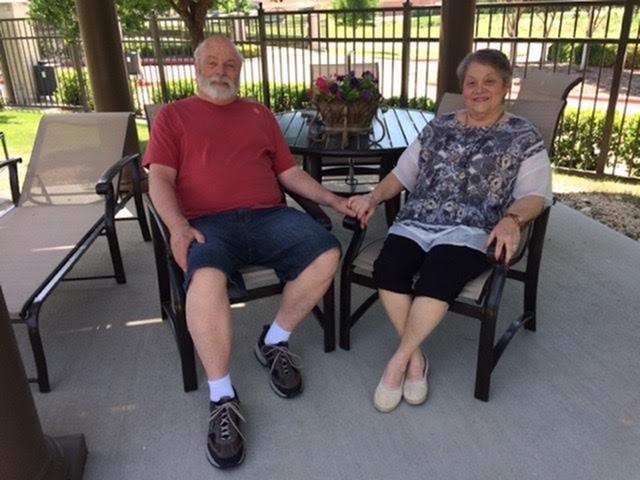
  A year ago, Dan and Bonnie Carlson took the plunge and joined Overture Ridgmar, one of Overture’s exceptional active adult communities. The decision to “rightsize” after retirement was not made lightly, but as they considered all options and weighed the potential benefits, they found an overwhelming number of reasons to pack up and move. One year into their active adult adventure it’s clear they are loving every minute of their new turnkey, stress-free, socially charged lifestyle. Wow, that year certainly went by quickly!  It is hard to believe my wife Bonnie, and I just passed the one-year anniversary of our effort to “rightsize” our lives. That being so, we got to wondering how we might measure the results of our endeavor.  We had high hopes, of course, that the move from a house to an apartment would be a good one but, now that we are fully settled in, what is our level of satisfaction? Naturally, before we finalized the decision to sell our house and move to  Overture Ridgmar , we discussed what we wanted our new lives to look like. For example, one of our goals was to live in a comfortable and maintenance-free environment. Our quiet, comfortable, roomy, well- appointed apartment more than surpasses this criterion. Further, over the past year, on the very few occasions that a maintenance issue did arise, it was handled quickly, professionally, at no cost, and—the best part—the work was done by someone else! Moving to a new community always presents a range of potential social concerns. We wondered: How will we connect with people? Will our new neighbors compare favorably with those we left behind? Any worries were erased immediately by the warm and welcoming reception we received from everyone we met. We now find ourselves among folks from a demographic niche similar to ours and, to our delight, many of our new neighbors have interests and life experiences much like our own. Individually, Bonnie and I have joined groups that bring us enjoyment and growth.  For instance, once each week I go to breakfast with a band of ten-to-fourteen men whose backgrounds and accomplishments are amazing. Bonnie has connected with a group of women who enjoy a variety of activities and interests. Together, we have befriended several couples with whom we enjoy going to lunch, dinner or area entertainment venues on a regular basis. Having helped out for several years at a charity in our old neighborhood, we were hopeful that similar volunteer opportunities could be found near our new home. Soon after our move, we connected with a nearby food pantry, and are pleased to report that many of our new neighbors have joined in as well. As a matter of fact, Overture Ridgmar now conducts a quarterly food drive through which folks can pitch in to help others in some tangible way. If asked to assess our level of satisfaction with the “rightsizing” of our lives over the past year, we would rate the experience as “exceeded expectations” in every respect.  The result has been far better than we had any right to expect, and our level of contentment can best be measured in this very important way: We just renewed our lease for another fifteen months! Needless to say, we celebrate having made this transition and what it has done for us.  At the same time, though, we struggle with one nagging question: Why didn’t we do this sooner? As they eagerly take advantage of the unlimited activities and daily opportunities to expand their social world, the Carlsons are yet another Overture success story. This is their time and they are making the most of it. Check out the  Overture community of your choice. You’ve already missed today’s activities, don’t miss tomorrow's! ABOUT AUTHOR   Daniel Carlson Daniel Carlson is a retired police officer, former law enforcement educator and present-day active author. He and his high school sweetheart Bonnie, have been married for over half a century and have recently co-authored a book titled, “Home Sweet Apartment…Getting Rightsized in Our Seventies.” The young at heart couple are currently loving life at Overture Ridgmar , which is in the Great State of Texas, and in purposefully close proximity to their three children and seven terrific grandchildren. Connect with Dan via: Website: www.danbonbooks.com Facebook: Facebook.com/danbonbooks Blog: www.danbonbooks.blog

Read more

How Social Interaction Impacts Emotional Health-image

  Age does not protect you from love. But love, to some extent, protects you from age.” —Jeanne Moreau As we age, it’s not how we pass our time, but with whom. Developing and nurturing meaningful social relationships with other active adults is not a luxury. Beyond bringing smiles to our faces, social interaction at this stage of life is a critical component to our overall well being, especially essential to our emotional health. In fact, research over the years confirms that social relationships and group activities are the keys to successful aging and happiness. Participating in social activities not only challenges us and helps sharpen our cognitive abilities, it also eliminates the single most serious threat to a senior’s mental and emotional health: Isolation. Isolation Hurts Isolation can come on suddenly with the passing of a loved one or as children and grandchildren pursue out of town opportunities. It may be a gradual process that sneaks up on us as we transition out of daily employment and have more time on our hands. Research suggests that chronic isolation and a higher frequency of a myriad of health issues, including depression, go hand in hand. Conversely, cultivating friendships and participating in activities and events with peers is not only life-enhancing but life-extending. Socially active older adults report stronger immune systems, better sleep, increased productivity and a more positive outlook on life. Join the Club Whether it’s joining a Zumba class, taking the plunge at water aerobics or signing up for a computer class, the key to meeting people and engaging in new relationships is to get out there and join a group. In addition to keeping participants active, the social connections will be enriching and uplifting. Give Back Using your skills to help others is a great way to be both productive and social. If you are musical, teach lessons. Or volunteer for your favorite cause once a month. You will be rewarded with increased self-esteem as well as the opportunity to mix and mingle with others who share your interests. Reconnect Thanks to technology, the ability to reach out to people far away or those we knew when is at our fingertips. FaceTime with the grandkids or send a message to your old roommate from school. Interacting electronically can help mitigate loneliness and may also inspire you to get out and seek more hands-on, in-person experiences.   Socializing Made Easy Often the problem is a living situation in which opportunities for socialization have become scarce. With time and change of circumstances for friends and neighbors, you may find your once-robust social circle has dwindled. The good news is there are active adult communities committed to providing the social outlet you seek. Designed specifically to support the physical and emotional health of the 55+ set, these upscale, state-of-the-art, resort-style complexes have  unlimited options for keeping your mind, body and spirit active and nourished. Surrounded by a welcoming community, the social adjustment is easy and natural. By the time you unpack the boxes, your neighbors will be new friends. Continue expanding your social world and the golden years will truly be golden. **Feature image depicts actual Overture resident(s).   

Read more
Top Ten Things to do to Protect Your Mental Health as You Age-image

  The relationship between aging and mental health is a study in contrast. On the one hand, as we get closer to retirement, there is an elation at the anticipation of new freedom and a whole new world of opportunities. But this stage of life also has its hurdles which can elicit some emotional responses. The empty nest, lots of unscheduled time on our hands, a new financial reality, or the loss of loved ones are just a few of the circumstances that can be daunting. Paying attention to maintaining your overall psychological wellbeing will enhance your ability to manage your feelings and deal with whatever challenges are in your path. Check out these 10 tips for supporting your emotional wellness. Join the Party As social creatures, we thrive on positive connections to others. Socializing is critical to our mental health even as small children. In today’s world we can reach out to each other in a myriad of ways, but nothing is as uplifting and psychologically beneficial as getting together with friends and sharing a face to face experience. If you are a part of an active adult community, it’s easy to create and nurture new relationships through the vast array of  social opportunities. Keep Moving The mind and body are inexorably linked. Improve your physical health and your spirits will automatically reap the benefits. Regular exercise and the release of endorphins will not only lift your mood, and provide added energy, it will also decrease stress, improve memory, and help you sleep better. The good news for those who are not exercise enthusiasts: You don’t have to be a fitness fanatic. Even modest amounts of activity will have a positive impact on your psychological health. Go Out and Play Now that you’ve got the time, use it to have fun. It’s okay to indulge yourself and spend time doing things strictly because they make you feel good. In fact, it’s more than okay. It’s an emotional and mental health necessity. Whether you treat a friend to a silly movie, take a walk on the beach, hop on a chaise lounge and listen to your favorite music, read a good book or grab a neighbor to go for coffee, the more you relax and enjoy, the calmer and happier you will be. Meditate While meditation trains your brain to focus and improve your attention, it also decreases anxiety levels and helps manage stress. If meditation is too sedentary for you, try tai chi, or yoga. Namaste. Step Out of Your Comfort Zone It’s never too late to try…whatever comes to mind that will finish that sentence! New experiences keep us interested and sharp while providing a sense of purpose and accomplishment. Take up a new language, try a musical instrument, or join a new club. As you broaden your horizons, you will also stimulate your brain, and contribute to your emotional health. An Attitude of Gratitude Experts advise taking a moment before bed to acknowledge three reasons to be grateful. Research suggests practicing gratitude for the gifts in your life can actually help manage stress and decrease depression. Get Your ZZZZs When it comes to aging and mental health, the impact of sleep is often overlooked. The truth is, getting enough sleep is not a luxury. Lack of it can affect mood, energy levels, mental sharpness, and ability to cope with stress. Strive for 7-9 hours of quality sleep each night. Find a Purpose Finding a reason to get out of bed in the morning is essential to our mental health and wellbeing. That can mean creating a masterpiece in the garden, building your dream model in a workshop, sharing a  special interest with a group of like-minded peers , caring for a loved one, friend or pet, or volunteering your time for others. Any pursuit that boosts your spirits and your self-esteem supports your mental health. Stop and Smell the Roses Spending time outdoors in nature is mentally therapeutic. Whether you are hiking with friends, planting flowers, or just finding your bliss on a park bench, getting outside can help us appreciate the gifts of nature and the beauty in our lives. Talk to a Professional If after checking in with your emotional self, you find you are feeling overly anxious and depressed, or unable to deal with stress or grief, don’t ignore the signs. Your mental health may need the support of a professional who understands and can help you get back on an even keel. The aging process presents obvious physical changes and challenges. We face them by working to keep our bodies as strong and fit as possible. The toll that advancing years takes on our mental health may be less obvious but is equally—if not more—important to address.  

Read more
7 Reasons to Choose a 55+ Active Adult  Community Sooner than Later-image

  New members of an  active adult community come from all walks of life. They represent a diverse assortment of ethnic backgrounds, ages, professions, geographical roots, and personalities. And yet, once they make the decision to “ rightsize ” and begin embracing the stress-free, lock and leave resort worthy lifestyle of the active adult community, they ask the same question: “Why didn’t we do it sooner?” Initially, many resist the idea of transitioning out of the family home and can’t envision what the next step holds. But, they quickly see the beauty of a simpler, less encumbered existence. They celebrate letting go of all the responsibilities of home ownership and focusing on expanding their social network and broadening their horizons with new adventures. The consensus is: You don’t fully realize what a burden home ownership is at this stage—until you’re free of it. If you are still on the fence about embracing the good life at an active adult community, consider these 7 reasons to hop over to the apartment home side sooner rather than later. Social Opportunities Often separated from families who live out of town, many older adults find themselves living lives of isolation which can be detrimental to emotional and physical health. With a huge assortment of  social activities , classes, and events, active adult communities create the perfect foundation for meaningful relationships. Neighbors soon become friends who will be there for each other to celebrate the good times and support each other when the need arises. The Lifestyle When it comes to active adult communities, the keyword is active. The long list of clubs, classes, organizations, activities, and scheduled events will fill days and nights with fun, enriching, meaningful experiences. Amenities, like  state of the art fitness centers , full-service spas, theaters, and chef kitchens provide the perfect setting for active adults to pursue all the interests they finally have time for. Life on One Floor Active adult communities are all about focusing your energy on the activities that make you happy, not expending unnecessary energy running up and down the stairs. You won’t believe how much easier life is when it’s all on one floor. Finding New Purpose The loss of purpose that may accompany the empty nest, can have a serious impact on the health and well-being of older adults. One of the major benefits of active adult living is easy active to multitudes of engaging and purposeful opportunities. Whether you are inspired by a new hobby, a new class or joining a group to volunteer to help others, research shows that sense of purpose and anticipation will support your mental health and help keep your brain sharp. Community Curb Appeal Wouldn’t it be great to live in a beautiful, well-maintained community—that you are not responsible for maintaining? Active adult communities provide all the curb appeal, without the tedious aggravation of dealing with the landscaper. It’s the best of all aesthetic worlds. Keep Learning and Growing Active adult communities provide endless  educational opportunities to keep residents inspired and engaged. Taking a cooking class to create a new culinary masterpiece or studying an era of history that is of interest will be both fun and enlightening. Be Your Best Self You’ve paid your dues. You’ve raised great kids, worked hard at your job, and taken care of aging parents. This is your time and becoming part of an active adult community is the perfect way to maximize your  wellbeing during this wonderful chapter of life. The longer you wait, the more fun you will be missing!

Read more
Top Technology Tools for Older Adults-image

  The internet has been an integral part of our lives for the better part of a quarter of a century. So, yes, if you do the math, it came on the scene when today’s active adults were young…or at least young-ish. The stereotypical image of retirees scratching their heads in confusion when faced with the wonders of the world wide web is more fiction than fact, more reminiscent of the previous generation. The majority of today’s seniors have at least a working knowledge of computers and smartphones. So, the issue is not computer literacy per se. It’s more a matter of being unfamiliar with all the new and amazing ways technology can enhance this stage of life. Check out these examples of technology for seniors. Maybe one or more of these options is exactly what you need to streamline this chapter of your life. GPS Retiring to a new city? Or moving to a new unfamiliar neighborhood?  Don’t leave home without your Global Positioning System (GPS). Whether it’s a standalone unit or an app on your phone, your GPS will guarantee you always get where you’re going—without getting lost on the way. It’s simple to operate. Just key in the address of your destination and listen to the step by step directions. Skype or Facetime These video apps are just what grandma and grandpa need to stay connected to out of town family. Once you see the faces of those precious grandkids, the distance will melt away and you can easily be a part of their lives from the sofa in your  active adult community . It truly is the next best thing to being there. Fitness Trackers Take the guesswork out of your  active adult fitness program by wearing a bracelet monitor that lets you know you are on target with your exercise or getting enough sleep. Medication Monitors There are several different variations of medication monitors that can help those who live alone manage their own care. Systems will alert users when it’s time to take medicines and repeat the alert if the medication is not taken within a certain time frame. There are also options that connect to your smartphone and can be pre-programmed to call an emergency contact if necessary. Transportation Apps If you no longer drive, or don’t always want to drive, downloading a ride-sharing app like Lyft onto your smartphone can be seriously life-changing. Instead of having to depend on children or a friend for transportation, you can get around on your own terms. Once you get the hang of it, you’ll love the convenience and independence. This technology comes in especially handy when you and other members of your  active adult community want to organize an outing and would prefer socializing rather than focusing on the road. When it comes to technology for seniors, it’s all about wading through the maze of choices and finding the devices and apps that accommodate individual lifestyle needs. From managing meds to monitoring physical exertion to keeping in touch with the grandkids, life-changing technological innovations are at your fingertips—yours for the downloading.

Read more
Fact or Fiction: The Health Benefits of Drinking Red Wine-image

  Wine improves with age. But more to the point, according to active adult wine connoisseurs, age improves with wine. Raising a glass at  happy hour  or dabbling in the fine art of food and wine pairing with a culinary expert can be delightful—and delicious. Health professionals seem to agree that most people can tolerate alcohol in moderation. But, the question of whether wine—specifically red wine—contributes to healthy aging is the subject of ongoing debate. Proponents of red wine health benefits are convinced it has wellness properties. Opponents are not persuaded. It’s easy to find plenty of input on both sides, but difficult to separate the fact from the fiction. As you sip a fine vintage, here’s some food for thought to go with it. Antioxidants Claims of red wine health benefits generally focus on the presence of flavonoids, melatonin and resveratrol. Flavonoids Flavonoids are polyphenolic compounds they have been reported to have antiviral, anti-allergic, antiplatelet, anti-inflammatory, antitumor and antioxidant activities. Melatonin Melatonin is a substance found both in red wine and our bodies. It is thought to delay inflammatory processes and stem the damage of old age. Resveratrol Is resveratrol a magic bullet? Or is it all hype? That would seem to depend on the day, whom you talk to, and which research you ascribe to. But one thing is certain. Resveratrol, a naturally occurring compound produced during the fermentation process, is at the center of the red wine benefits debate. Due to significant antioxidant properties, resveratrol is said to help the body defend against disease by neutralizing the impact of damaging free radicals. Attacking our bodies on the cellular level, free radicals are frequently blamed for everything from heart disease, to accelerated aging, to diabetes to Alzheimer's. Resveratrol is also credited with helping to lower cholesterol. Studies suggest it may be the key to the “French paradox”—that is, a population with a diet high in fat but a relatively low incidence of heart disease. You Can Have Your Resveratrol—without the Alcohol Many experts agree that resveratrol would be a beneficial addition to your diet. They don’t necessarily agree that red wine is the best source of it. Instead, they recommend other foods that contain resveratrol-like grapes, cranberries, blueberries, grape juice, dark chocolate or peanut butter. The Cholesterol Equation While studies show that wine consumption can raise the good HDL cholesterol in your body, there is a caveat. It appears due to an interaction between your body’s exertion and the low dose of alcohol in wine, only those who exercise will reap the HDL benefits and improve heart health. It’s Not for Everyone While nobody can definitively prove red wine is the key to healthy aging, studies do confirm it can trigger migraines in those who are susceptible. The culprit appears to be histamines and tannins accumulated during the fermentation process. Moderation is the Key Alcohol and health is a complex subject. The key at any age is moderation and good common sense. As we ponder whether red wine’s healthy aging benefits are miracle or myth, we can certainly savor a glass or two and enjoy the camaraderie  and connections that come with good friends, good food and good wine.

Read more